


How to Install Pavers Over Concrete Like a Pro: 2025 Best Practices Revealed
Make Your Outdoor Upgrade Last with Smart Solutions and Expert Tips for Laying Pavers over Concrete!
Consider installing paver patios over your existing concrete surface. It’s possible—and often a smart way to upgrade your outdoor space without a complete demolition. While this method can save time and reduce costs, it also presents specific challenges that require thoughtful planning and precision.
Whether you’re renovating a driveway in Noblesville or adding elegance to your backyard in Carmel, understanding the process is key. In this guide, we’ll examine the most common issues and best practices for laying pavers over concrete. We’ll also see how it enhances the features of retaining walls and outdoor living.
Can You Lay Pavers Over Concrete?
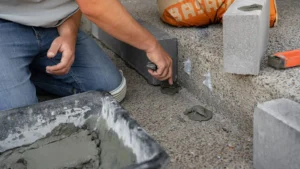
Yes—you can successfully install pavers over concrete in Westfield and nearby areas, but only if the existing surface is in good condition. The concrete must be stable, free from major cracks, and properly graded to allow water to drain away from your home or structure.
What qualifies as a solid base?
- No loose or crumbling sections
- Proper slope for drainage
- Stable, reinforced concrete with no significant heaving or movement
- A clean, dry surface for installation
If your concrete is damaged or has poor drainage, you’ll need to repair or remove it before moving forward.
Best Practices for Installing Pavers Over Concrete
Follow the below recommended steps by experts for a flawless, long-lasting paver installation:
1. Evaluate Surface Integrity
Before installation, ensure the concrete is suitable:
- Check for major cracks or uneven sections
- Patch minor damage with concrete filler
- Clean and dry the surface thoroughly
2. Choose the Right Installation Method
Choose the best method based on usage and surface conditions:
- Use dry-lay with bedding sand for light-use patios
- Opt for mortar-set pavers in driveways or high-traffic areas
- Avoid hybrid installs unless professionally advised for unique layouts
3. Add Edge Restraints
Edge restraints prevent shifting and maintain a clean layout:
- Use PVC edging, concrete curbing, or metal strips
- Anchor restraints properly with spikes or adhesive
- Double-check alignment during installation
4. Improve Drainage
If the concrete slab has drainage problems:
- Drill weep holes in low spots
- Install a slope-correcting mortar bed
- Consider adding a drainage mat below the pavers
5. Consider Height Adjustments
If height becomes a concern:
- Use thinner pavers
- Feather the paver patio installation into adjoining surfaces
- Recess the concrete slab slightly before paver installation (if planning new construction)
Proper planning and technique ensure stability, style, and long-term results.
Challenges Associated with Pavers over Concrete Installation
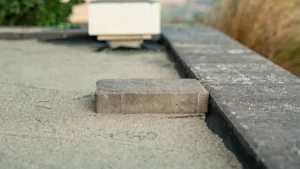
1. Drainage Issues
Concrete is non-porous, so water may pool between the concrete and pavers unless proper water flow is planned.
Potential risks:
- Freeze-thaw damage in Fortville and Zionsville
- Mold or mildew under the pavers
- Long-term degradation of the surface
2. Height Problems
Laying pavers over concrete raises the surface level, which can lead to uneven transitions and functional issues.
Potential risks:
- Blocked doorways or low-clearance thresholds
- Water runoff directed toward the foundation
- Trip hazards at transitions to other surfaces
3. Shifting or Settling Pavers
Pavers need secure edging and support. Without proper restraints or preparation, they may shift over time with use or weather.
Potential risks:
- Misalignment due to traffic or freeze-thaw cycles
- Gaps or loosened joints over time
- Edge pavers breaking or dislodging
4. Reduced Longevity Without Bonding Layer
Failing to use a proper bonding technique can lead to the faster deterioration of the paver installation, especially under pressure or weight.
Potential risks:
- Pavers detaching from the base
- Weakened support in high-traffic zones
- Early need for repairs or reinstallation
Where does Installing Pavers over Concrete Work Best?
Installing pavers over concrete is most effective in controlled settings where structural integrity is intense and environmental exposure is minimal. You must also consider conditions where aesthetic upgrades are desired without the effort and cost of complete demolition. This installation method is ideal for:
- Covered patios with minimal rainfall exposure
- Sidewalks or garden pathways with existing concrete
- Pool decks where demolition is difficult
- Smaller paver patios in stable, shaded zones
In areas like Carmel or Noblesville, where home design often includes modern hardscaping, installing pavers over concrete can deliver both speed and style.
When to Avoid It?
Sometimes, installing paver patios over concrete just isn’t worth the risk. If the foundation isn’t sound or the conditions aren’t right, your project may fail prematurely. Here’s when it’s best to explore complete removal or alternative options.
Avoid installing pavers over concrete if:
- The slab has significant structural damage or cracks that compromise stability
- Drainage cannot be improved, causing water buildup and potential erosion
- The height increase causes safety hazards, door clearance issues, or uneven transitions
- You’re in high-freeze areas with heavy snow loads and no surface slope for runoff
- The concrete moves or shifts seasonally, leading to misaligned or broken pavers
Enhancing Retaining Walls and Outdoor Living Spaces
Upgrading your patio or walkway? It’s the perfect time to rethink your outdoor layout. Integrating new pavers with retaining walls and outdoor living features creates a seamless, cohesive design that boosts both beauty and functionality.
Ideas to consider:
- Extend patio edges into raised garden beds with matching pavers
- Use concrete-block retaining walls that complement your paver finish
- Add outdoor lighting, fire pits, or water features for ambiance
- Create multi-level seating zones using stone steps and paver landings
Whether you’re working on a home in Zionsville or a backyard in Fishers, minor upgrades can make a big difference.
Conclusion
Installing paver patios over concrete is achievable—with the proper prep, drainage, and materials, you can get stunning, long-lasting results. From enhancing retaining walls and outdoor living areas to refreshing your patio in Westfield or Fishers, this method helps homeowners create elegant spaces without the need for a complete demolition.
Are you thinking of upgrading your outdoor surfaces in 2025? RR Outdoors can help you design and install durable, eye-catching paver patios!
Leave A Comment